
Slip and fall accidents often result in serious injuries, costly medical bills, and significant disruptions to daily life. In California, proving a property owner’s negligence requires more than just taking a picture of a slippery surface. It may hinge on how courts interpret established case law. These legal precedents play a critical role in determining liability and shaping the outcome of personal injury claims.
Salamati Law has extensive experience navigating complex premises liability cases and using key court decisions to build strong cases for injured clients. This article explores significant California rulings that impact slip and fall claims, including how courts assess responsibility in different scenarios.
If you’ve been injured in a fall, schedule a free consultation to learn how a slip and fall attorney in Los Angeles can help.
Duty of Care in California Slip and Fall Cases
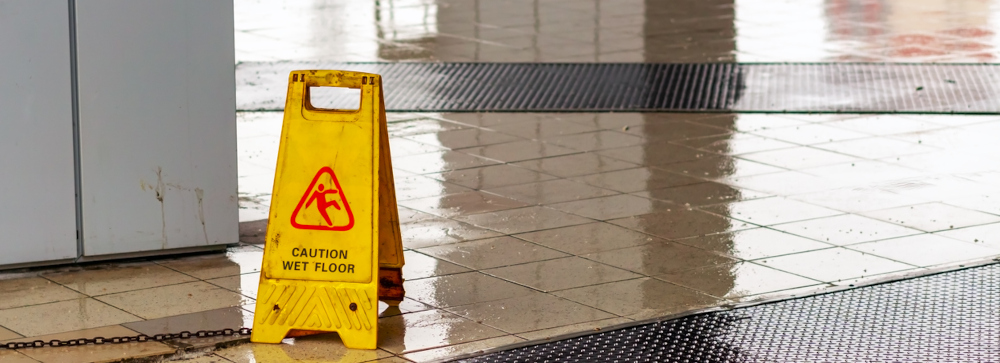
Duty of care is a key concept in California personal injury law, requiring property owners to maintain reasonably safe conditions. While they aren’t automatically liable for every accident, they may be held responsible if their failure to take reasonable precautions results in a foreseeable injury.
A landmark case, Girvetz v. Boys’ Market (1949), illustrates this principle. The court ruled that businesses must anticipate common hazards — like spills — and take routine steps to prevent them. This case helped establish the standard that regular inspections are part of a property owner’s duty, and failing to meet that standard can be grounds for legal liability.
Our Los Angeles slip and fall lawyers at Salamati Law can assess whether the facts of your case meet this legal threshold. We are skilled in identifying if this duty was breached and how to build a claim that reflects California’s legal standards.
Notice of the Dangerous Condition
To successfully bring a claim, the injured party must also show that the property owner knew — or should have known — about a hazardous condition.
This is referred to as “notice,” and California recognizes two types:
- Actual Notice: This means the property owner or their employee knew about the hazardous condition. For example, if a store employee saw a spill and ignored it, that could establish actual notice.
- Constructive Notice: Even if the owner didn’t directly know about the hazard, they may still be liable if it existed long enough that a reasonable inspection would have revealed it.
In Hatfield v. Levy Brothers (1941), the California Supreme Court ruled that store owners could be held liable for failing to address a dangerous condition that existed long enough for them to have reasonably discovered it. This case introduced a fact-specific standard, focusing on whether the hazard had been present long enough for a responsible party to take action.
Proving this “constructive notice” requires detailed evidence like surveillance footage, maintenance records, or witness testimony. That’s why it’s crucial to begin gathering evidence early when filing a slip and fall claim. At Salamati Law, we focus on securing this evidence promptly and thoroughly to give each case the strongest possible foundation.
Pure Comparative Negligence: How Shared Fault Impacts Your Case

California follows a pure comparative negligence rule, allowing injured parties to recover damages even if they were partly at fault. However, any compensation is reduced based on their percentage of responsibility for the accident.
This rule was established in Li v. Yellow Cab Co. (1975), a landmark case that reshaped how fault is allocated in all negligence claims by replacing the contributory negligence rule with a pure comparative negligence system in California. It also shapes how fault is allocated in all slip and fall negligence claims. For example, if a plaintiff is found 25% at fault (i.e., distracted by their phone) and total damages are $100,000, they can still recover $75,000.
Potential Limits of the “Open and Obvious” Defense in Premises Liability Cases
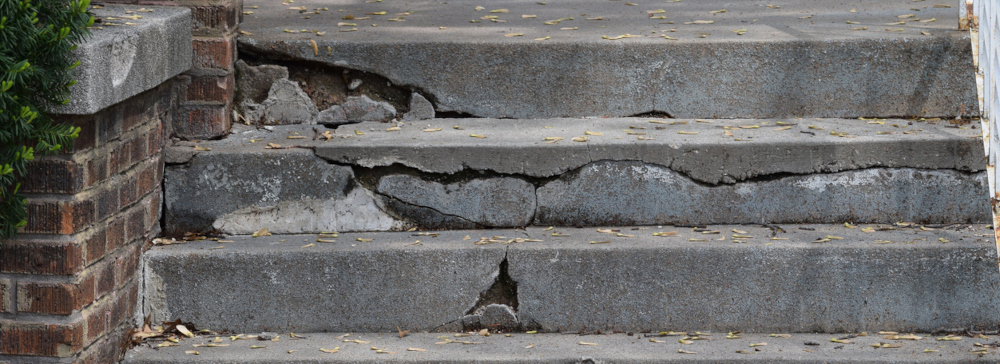
One common defense raised in slip-and-fall claims is that the hazard was “open and obvious.” If a danger is clearly visible, property owners may argue they had no duty to warn about it, because a reasonable person would have avoided it.
In Jacobs v. Coldwell Banker Residential Brokerage Co. (2017), the plaintiff was injured after standing on a diving board that collapsed at a property he was viewing. Although the empty swimming pool was clearly visible — and the listing even warned visitors to “use caution around the empty pool” — the plaintiff argued that the pool itself was a dangerous condition. The court ultimately dismissed the claim because this theory was not properly pled, and the property owner had no actual or constructive notice that the diving board was defective.
The ruling highlights two key points: first, that property owners are not liable for conditions they had no reason to know were dangerous; and second, that simply seeing a hazard doesn’t always mean a person can appreciate the full risk — particularly when other conditions may contribute to making it more dangerous.
The Role of Case Law in Proving Slip and Fall Negligence
In slip and fall cases, case law can be both a valuable guide and a potential obstacle. Past decisions shape how attorneys build arguments and judges interpret liability, making a solid understanding of legal precedents essential to a strong claim.
Courts often rely on prior rulings to assess whether property owners took reasonable steps, such as routine inspections, or whether a hazard existed long enough to establish constructive notice. Effective legal arguments use these precedents to show whether the defendant met — or failed to meet — the standard of care required under similar circumstances.
Since every case is different, success often depends on clearly connecting the facts to relevant case law. Skilled legal representation is essential for applying the law effectively and presenting persuasive, precedent-based arguments.
Moving Forward After a Slip and Fall Injury: Schedule a Free Consultation

Slip and fall injuries can leave you with serious physical pain, and navigating the legal process that follows can be just as challenging. Understanding the key California cases that define property owner responsibilities can help injured individuals feel more informed as they consider their next steps. If you believe your injury was caused by a property owner’s failure to maintain safe conditions, contact a trusted Los Angeles slip and fall attorney at Salamati Law. They can assess whether your case fits within the framework established by California courts and help you navigate the process from investigation through resolution of your claim. Contact us to schedule a free consultation to discuss your situation.