
Slip and fall accidents are among the most common causes of personal injury claims in California. While many accidents happen because of poor property maintenance, a warning sign is often the best slip and fall prevention. Clear, visible signs alert people to wet floors, uneven surfaces, or other temporary hazards that might not be immediately obvious. By drawing attention to the risk, property owners ensure that visitors can avoid the danger and prevent a serious injury.
At Salamati Law, our Los Angeles slip and fall lawyers help accident victims understand their rights and fight for fair compensation for their losses including medical expenses and pain and suffering. If you’ve been hurt because a property owner failed to provide adequate warning, California law may allow you to hold them accountable.
California Law and a Property Owner’s Duty of Care for Slip and Fall Prevention
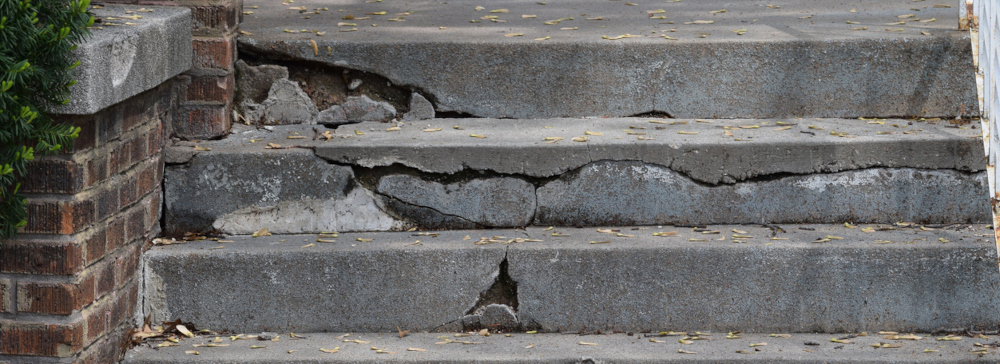
Under California Civil Code §1714, property owners and occupiers have a duty to use reasonable care to prevent harm to others, which includes:
- Inspecting the premises for dangerous conditions.
- Repairing hazards in a timely manner.
- Providing proper warnings if an immediate fix isn’t possible.
- Maintaining adequate lighting. Poorly lit stairways, parking lots, or hallways can conceal hazards and increase the risk of falls.
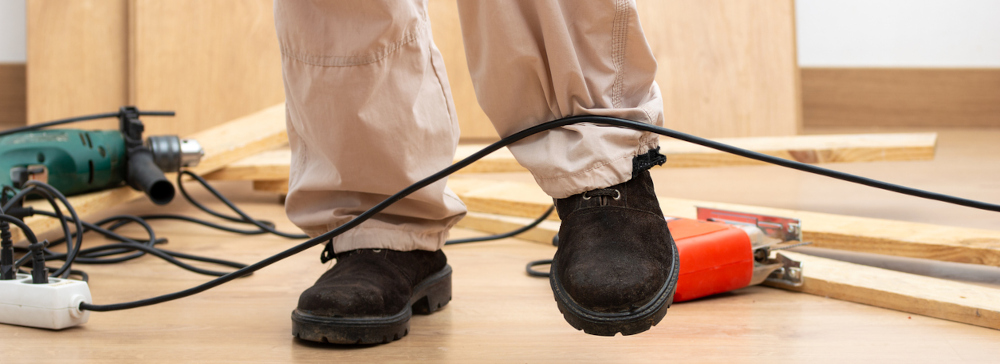
- Ensuring walkways are clear. Keeping aisles, entrances, and exits free of clutter, cords, or obstructions that could cause someone to trip.
- Complying with building codes and safety regulations. This includes meeting standards for flooring, stair rails, ramps, and other structural features. Failure to do so can create hazards and increase liability.
If an owner knows (or should have known) about a dangerous condition but failed to post adequate warning signs, they may be considered negligent.
Legal Requirements for Warning Signs

Not every warning sign is legally sufficient in a slip and fall case. To fulfill their duty, California property owners must ensure warning signs meet specific standards:
Clear Messaging
A generic “Caution” sign may not be enough. Warning signs should identify the specific hazard, such as:
- Wet Floor
- Uneven Surface
- Construction Area – Watch Your Step
The more specific the message, the better it protects visitors — and helps property owners show they took reasonable steps to prevent accidents.
Visibility and Placement
A warning sign should be positioned so that a person approaching the hazard will likely see it before encountering it. Key considerations include:
- The sign should be close to the hazard, not across the room.
- Ensure the sign is not blocked by furniture, displays, or other objects.
- Use bold lettering, contrasting colors, and adequate lighting so it can be noticed at a glance.
Timeliness
A property owner must place a warning sign as soon as they become aware of a hazard. For example, if an employee mops the floor, a “Wet Floor” sign should be placed immediately. Once the hazard has been addressed, the sign should be removed to avoid confusing visitors.
Maintenance of Signs
Warning signs must be legible, visible, and in good condition. A faded, damaged, or poorly placed sign may fail to provide reasonable notice and expose a property owner to liability.
Examples of Inadequate Warning Signs
Courts may find a warning sign insufficient in situations such as:
- A small sign placed far from the spill it is meant to address.
- A sign blocked by a shopping cart, merchandise display, or other obstruction.
- Using a vague sign like “Caution” instead of a specific warning, such as “Wet Floor.”
- Failing to post any sign for a temporary but foreseeable hazard, like a freshly waxed floor.
In these circumstances, the lack of a clear warning may be considered negligence and a proximate cause of a slip-and-fall injury.
The Impact of a Warning Sign on Slip and Fall Cases

Whether a warning sign was present, and whether it was legally adequate, is a central question in many California slip-and-fall cases. Courts and juries often consider:
- Was the property owner aware of the hazard?
- Was the warning clear, timely, and appropriately placed?
- Would a reasonable person have noticed and understood the sign?
California also applies pure comparative negligence. This means that even if an injured person was partially at fault — for example, by wearing inappropriate footwear — they may still recover compensation. However, their award will be reduced by their percentage of fault.
What To Do If You’ve Been Injured in a Slip and Fall

If you were hurt because of an inadequate or missing warning sign, take these steps to protect your rights:
- Seek medical care right away, even if injuries seem minor.
- Report the incident to the property manager or owner.
- Document the scene and take photos of the hazard, the warning sign (if any), and the surrounding area.
- Collect witness information if others saw the hazard or your fall.
- Consult a lawyer before speaking with insurance companies.
Each step helps to create a clear record of what happened — especially whether a proper warning was in place. That record can be critical in establishing liability and recovering damages in a slip-and-fall case.
How Salamati Law Can Help

Insurers routinely argue that their precautions were adequate or that the hazard should have been obvious. Success requires clear evidence and careful presentation.
At Salamati Law, we focus on building strong, fact-driven cases:
- Preserving Evidence – We secure photographs, surveillance videos, and maintenance records before they are lost or altered.
- Reviewing Safety Practices – We analyze inspection logs, maintenance records, and hazard-reporting procedures to assess whether the property owner followed required safety standards and industry best practices.
- Expert Testimony – Safety experts can evaluate whether the property owner’s warning measures met accepted standards, while medical professionals explain the extent of the injuries and their long-term impact.
- Witness Testimony – Statements from bystanders or employees can confirm whether a hazard was visible or whether signage was inadequate.
- Accurate Valuation – We calculate present and future losses based on documented medical needs, lost wages, and recognized settlement ranges in California.
Proving slip and fall negligence can be a challenging task. However, our team presents cases that are well-supported, credible, and difficult for insurers to dismiss.
Contact Salamati Law For A Free Consultation

Slip and falls can have lasting consequences far beyond the injury itself. Missed work, medical treatment, and daily limitations often follow, creating financial instability. At Salamati Law, we recognize how disruptive a slip-and-fall injury can be. Our team carefully reviews the facts of your case, examines the conditions that led to the accident, and works to identify the liable parties. Contact us today for a free, no-obligation consultation to learn how we can help you pursue the compensation you are entitled to under California law. No fee unless we win.