
After your slip and fall, even if you didn’t need surgery, your injuries may still be serious. For example, a traumatic brain injury (TBI) may not require surgery but can cause long-term or permanent impairment. Non-surgical injuries may still disrupt your job, routines, and overall quality of life.
A slip and fall attorney in Los Angeles at Salamati Law negotiates with the property owner’s insurance company and fights for your right to a fair settlement for your losses. We have over 28 years of experience winning compensation in premises liability claims. Our track record is second to none. Call today to schedule a free consultation.
Serious Non-Surgical Slip and Fall Injuries

Understanding serious non-surgical injuries is important, since they can still lead to costly medical care, lost income, and significant changes to daily life:
- Back and neck injuries: Some back and neck injuries do not require surgery, but they can still cause long-term debilitation. Disc herniation resulting from the fall may respond to steroid injections, but just as often, no treatment fully alleviates the discomfort, leaving victims with chronic, lasting pain.
- Concussion: A concussion is a mild traumatic brain injury (TBI). While a severe TBI is frequently considered catastrophic, as the person seldom regains their previous level of functioning, even lesser head trauma can result in long-term headaches, cognitive issues, and personality changes.
- Fractures: Not all fractures require surgery, as a cast may suffice. However, these injuries cause pain and impact daily life. An ankle or leg fracture can prevent you from walking, working, or driving for weeks or months.
- Soft tissue injuries: When the muscles, tendons, or ligaments are damaged, the result is often chronic pain and reduced mobility. Soft tissue injuries can take months to heal, sometimes much longer than broken bones.
Chronic pain, limited mobility, and the inability to carry out everyday tasks can leave victims struggling physically, emotionally, and financially. That is why even non-surgical slip and fall injuries deserve to be taken seriously in slip and fall settlements.
How Much is a Typical Slip & Fall Settlement Without Surgery?
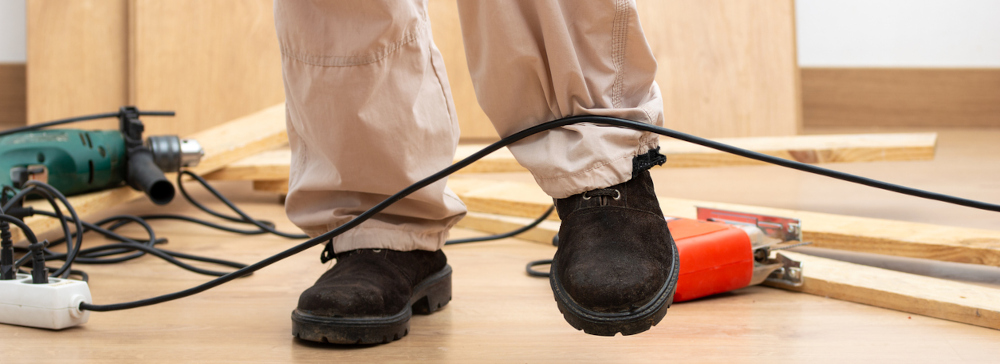
Generally, there isn’t a typical slip and fall settlement without surgery, since these accidents can range from relatively minor to permanently life-changing. In California, there is no cap on compensation in personal injury cases, except for medical malpractice claims. However, the potential recovery often depends on practical factors such as the property owner’s insurance coverage and personal assets.
Overall, slip and fall settlements without surgery tend to run between $15,000 and $50,000 for moderately severe injuries. An experienced Los Angeles personal injury lawyer can discuss the potential settlement amount based on your circumstances.
What Types of Compensation Can You Recover?

Compensation, or damages, is divided into economic and non-economic categories in slip and fall settlements without surgery. Establishing economic damages is relatively straightforward because they are based on concrete, calculable losses.
These damages may include:
- Medical expenses, current and future: These costs include rehabilitation and special needs such as home or vehicle modification.
- Lost wages: Compensation for income missed because of the accident, including regular pay, commissions, bonuses, and other work-related earnings.
- Loss of earning capacity: These are awarded when an injury reduces a person’s ability to work in their current occupation or limits future career opportunities, resulting in diminished lifetime earnings.
- Property damage: If jewelry, clothing, computers, handbags, or anything else of value was damaged in the fall.
Non-economic damages are more subjective and cover the losses that don’t come with a bill or receipt. These include pain and suffering, emotional distress, loss of enjoyment of life, and the mental toll of living with a serious injury. The value of these damages is generally determined by how much the injury has impacted the victim’s daily life and well-being.
Proving Liability in Slip and Fall Cases Without Surgery

Proving liability in slip and fall cases without surgery does not differ significantly from claims requiring surgery. The stronger the evidence, the easier it is to prove liability. Crucial types of evidence include:
Photos and Videos
Photos, videos, and surveillance footage are crucial forms of evidence in proving liability for a slip and fall claim, but time is of the essence. Depending on the hazard, a property owner can remove or fix the dangerous condition within minutes.
For example, debris in a walkway can be swept away, or a burnt-out light bulb can be quickly replaced. Likewise, many businesses only keep surveillance recordings for a short time before they’re erased or recorded over, making it critical to secure this evidence as soon as possible. Document the accident scene and your injuries thoroughly. Take pictures of the hazard and the surrounding area.
Report the Accident
If the incident occurred in a store or office building, report it to the management immediately. Get a written or digital copy of the report.
Eyewitness Accounts
Get the name, address, and contact information for any eyewitnesses. They can provide an independent perspective on the incident. Your attorney may contact and interview them.
Medical Records
The strength of your slip and fall claim relies heavily on your medical records, which establish both the severity of your injuries and their connection to the accident. These may include diagnostic tests, doctors’ diagnoses, and detailed treatment plans.
Keep a Pain Journal
Keep a daily journal of your recovery. This record not only helps your healthcare providers track your recovery but can also play a role in determining your settlement amount. Be sure to note your limitations due to the injury, the progress you make over time, and the level of pain you experience at different times of the day and night.
How to Establish Negligence

To establish negligence, you must prove four elements:
- Duty of care: The property owner or manager owed a duty of care to keep the premises in a safe condition for visitors.
- Breach of the duty of care: You must show the defendant breached that duty of care by failing to maintain the premises or by not repairing or warning about a hazardous condition.
- Causation: To establish negligence, you must prove that the breach of the duty of care directly caused your injury. An example is a slip and fall due to broken stairs, without a sign warning of the danger.
- Damages: The plaintiff must show that they suffered compensable losses from the accident,e.g., medical costs, lost wages, and pain and suffering.
What Kind of Evidence is Necessary If I Didn’t Go to the ER?

Even if you didn’t go to the emergency room right after your slip and fall, you likely sought medical attention later. Records from doctor visits, diagnostic tests, and treatment plans still serve as strong evidence of your injuries. In addition, photos or videos of the accident scene and proof that the fall was reported to the property owner or management can further support your claim.
Consistently attending follow-up appointments also reinforces your credibility and shows the ongoing impact of your slip and fall.
How Insurance Companies Evaluate Non-Surgical Slip & Fall Claims
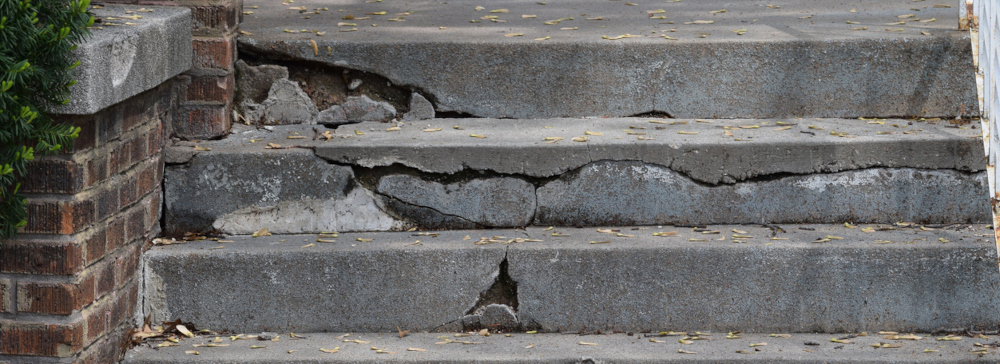
When insurance companies evaluate a non-surgical claim, they examine medical records, treatment history, the overall impact of the injury on your daily life, the duration of your recovery, the cost of care, lost income, and your level of pain and suffering. They use algorithms that generate settlement offers based on specific claim criteria.
The insurer will also investigate comparative negligence on the victim’s part. Defendants often argue that the plaintiff is partly at fault. For example, they might claim you were wearing inappropriate footwear at the time of the fall or were distracted by your phone.
Because California operates under a pure comparative negligence standard, you can still receive compensation even if you were somewhat at fault. However, the amount of your settlement would be reduced by the percentage of fault determined by a judge or jury.
Calculating a Fair Settlement Without Surgery

Fair settlements in personal injury claims consider economic damages such as medical expenses, including treatment, medications, and rehabilitation, and lost income from missed work or reduced earning capacity. These tangible, financial losses form the foundation of most claims, while injury severity and long-term prognosis help determine the extent of these costs.
In California slip and fall cases, non-economic damages such as pain and suffering are often calculated in two ways. The first is the multiplier method, where your economic damages are multiplied by a number that reflects the severity of your injuries, usually between 1.5 and 5. The second is the per diem method, which assigns a daily dollar amount for each day you experience pain or limitations.
A skilled Los Angeles personal injury lawyer will fight to make sure these losses are valued fairly and that you receive the compensation you deserve.
Contact a Los Angeles Slip and Fall Attorney

At Salamati Law, we can help you receive the slip and fall settlement you deserve for your injuries. Schedule a free, no-obligation consultation today. We work on a contingency basis, so you pay no legal fees unless you receive compensation. Most slip and fall cases are settled, but we’ll proceed to trial if the defendant’s insurer fails to agree to a reasonable settlement.