
Proving what happened in a pedestrian accident can be challenging. Eyewitness accounts may differ, and at-fault drivers could dispute responsibility. One of the strongest types of evidence is traffic camera or surveillance footage. If your accident was caught on camera, the footage may clearly show how the collision happened, who was at fault, and how severely you were struck—often confirming the driver’s responsibility.
Trust our team at Salamati Law to handle your pedestrian accident claim. Our track record is second to none for obtaining the best possible outcome for our clients. Below, we explain how accident victims in Los Angeles can identify, locate, and request traffic camera footage after an accident.
Step One: Identify the Cameras That Might Exist
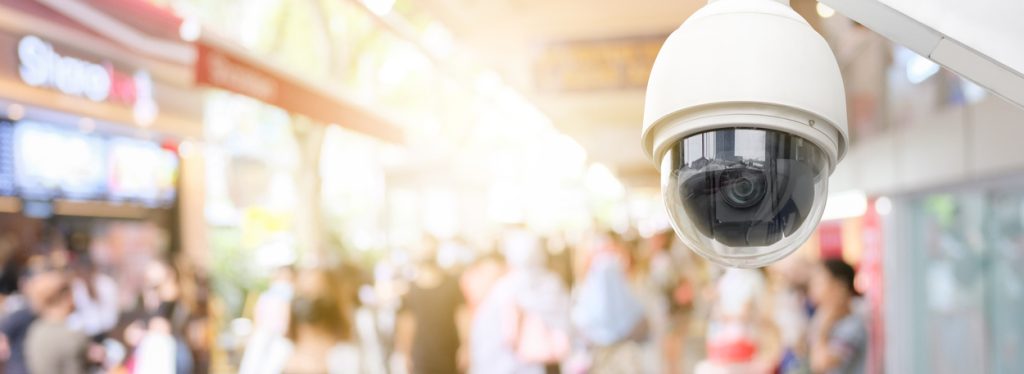
Los Angeles has a vast network of cameras, including traffic cams, security systems, and dashcams, but not all actively record or retain footage. Your first step is determining what type of camera may have captured your pedestrian accident.
Public Cameras
Several public agencies operate cameras throughout Los Angeles, and their footage may help support your pedestrian accident claim — if it’s available and preserved in time:
- Caltrans freeway cameras: These are located along major highways across California. Many are designed for live monitoring, not long-term storage, so timing is crucial.
- LADOT intersection cameras: The Los Angeles Department of Transportation manages cameras at traffic signals and busy intersections throughout the city.
- LAPD cameras: In some cases, police departments may have access to surveillance systems in certain areas.
Private Cameras
In addition to public footage, privately owned cameras can provide crucial evidence, often capturing angles that public systems miss. These are the most common private sources to consider:
- Businesses: Gas stations, restaurants, convenience stores, and shops often position cameras toward sidewalks, parking lots, and streets.
- Homes: Many Los Angeles residents now have Ring doorbells or other home surveillance systems that may capture activity beyond their property line.
Even if you do not see an obvious traffic camera, there is a good chance a nearby business or residence may have recorded the accident. A thorough search of the surrounding area often reveals unexpected sources of footage.
Step Two: Provide Key Information to Help Locate the Footage
Agencies and property owners cannot search endless hours of video without specific information. To improve your chances of getting the right clip, be prepared to provide:
- The exact date and time of the accident
- The precise location (an intersection, address, or landmark)
- Your contact details
- A police report number, if officers responded to the scene
The more precise you are, the easier it is for the owner of the footage to locate it before it is deleted or overwritten.
Step Three: Request the Footage

Once you’ve identified potential sources of footage, the next step is to formally request access. The process varies depending on whether the footage is controlled by a public agency or a private party, and in some cases, subpoenas may be necessary:
Government Agencies
To access traffic camera recordings from Caltrans, LADOT, or other city agencies, you will typically need to file a written request under the California Public Records Act (CPRA). Each agency has its own process — some require forms, and others accept online submissions. A small fee may apply.
Keep in mind: Not all government-operated cameras record or retain footage. Many only stream live video. If you delay, the footage may no longer be available.
Private Businesses And Homeowners
For privately owned cameras, the law does not give you the right to demand footage. You will need to contact the owner directly and ask. Some may cooperate, but others could refuse out of privacy concerns or because they fear being pulled into a lawsuit.
If your request is denied, your options are not over. Once a lawsuit is filed, your attorney can use the discovery process to formally request the footage and compel its preservation. Acting quickly and involving a lawyer early ensures these legal tools are available if voluntary cooperation fails.
How Salamati Law Can Help

Securing video footage after an accident can be challenging. Businesses may be reluctant to release footage, and government agencies have strict procedures and deadlines.
At Salamati Law, we can:
- File CPRA requests quickly with the right agencies
- Contact businesses and homeowners directly, backed by the authority of a legal office
- Deploy investigators to canvass the area for cameras you may not even know exist
- Secure and preserve any pedestrian accident footage so it can be used effectively in settlement negotiations or in court
We have spent decades representing pedestrians across Los Angeles and understand how crucial evidence like this can be in strengthening your claim. Our team knows where to look, how to act quickly, and what it takes to build a case that stands up to insurance companies and in court.
Contact Salamati Law for a Free Consultation
Pedestrian accidents often result in serious injuries, costly medical treatment, and lost wages. Establishing the facts of the accident is essential to holding negligent drivers accountable and securing the compensation you deserve to move forward.. Video evidence from cameras at pedestrian crossings, intersections, or nearby businesses can be the deciding factor in your case.
If you have been injured in a pedestrian accident in Los Angeles, time is of the essence. Do not delay in preserving potential evidence. Contact us today to schedule a free, no-obligation case evaluation. A Los Angeles pedestrian accident lawyer will assess your claim, advise you on the steps required, and work to secure the fullest measure of recovery available under the law.